
Cardio Does Not Hinder Muscle Growth—Unless Timed Incorrectly
Matthew Lannon
January 09, 2023 • 3 min read
Intro to Cardio
Cardiovascular health is the cornerstone of overall fitness. The health of the heart and blood vessels is equally as critical as musculoskeletal health (i.e., muscles and ligaments). Regrettably, cardiovascular disease remains the leading cause of mortality in modern society (1). Prevalent conditions such as hypertension, hypercholesterolemia, and type 2 diabetes afflict a significant portion of the population—and contemporary lifestyle conveniences often enable individuals to evade cardiovascular exercise, which detrimentally impacts long-term health.
Cardiovascular exercise encompasses any activity that sustains an elevated heart rate for a moderate duration. For high-intensity interval training (HIIT), sessions should be limited to a maximum of 15 minutes. For low-intensity steady-state training (LIIT), a target duration of 30–60 minutes is optimal.
Activities such as walking, cycling, and stair climbing can be seamlessly integrated into daily routines to enhance health outcomes.
For regularly active individuals, a pivotal question persists: Should cardio be performed before or after resistance training? The timing of cardio must align with an individual’s specific fitness objectives.
Weight Loss
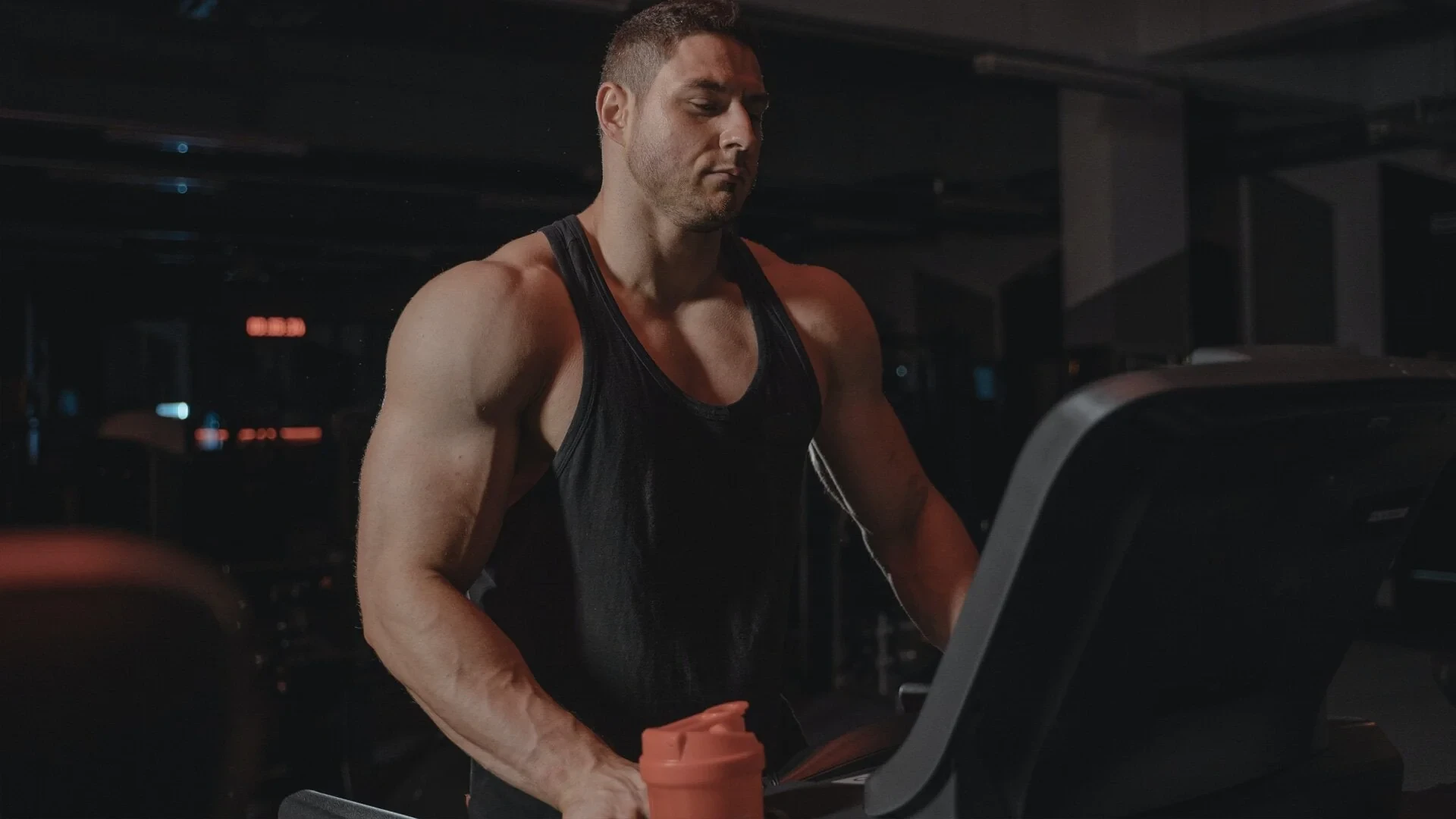
For weight loss, cardio serves as an effective pre-resistance training warm-up. This strategy primes the body for a hypertrophic (muscle-building) state early in the session, with the primary goal of preparing both the body and mind for subsequent resistance training. Gym-based options include treadmills, stationary bicycles, or stair steppers; at-home alternatives like outdoor walking or jump rope are equally viable.
HIIT is the ideal modality for pre-workout cardio, as higher movement intensities correlate with increased caloric expenditure. Notably, cardio should not dominate the workout—instead, it should act as a catalyst to elevate heart rate and initiate the training session.
Weight Gain
Post-resistance training cardio benefits individuals focused on muscle gain, for whom resistance training must remain the priority. After a workout, the body requires a gradual return to resting heart rate, and LIIT serves as an effective cooldown modality.
Sauna use is a viable alternative: while the body is at rest, heat maintains an elevated heart rate and may stimulate heat-shock protein production and fat loss. Additionally, during bulking phases (caloric surplus), individuals may experience concomitant fat gain—HIIT can mitigate this unintended increase.
Other Gains From Cardio
Cardio can be incorporated on non-resistance training days, transforming “rest days” into active recovery days. While taking a break from weights is beneficial, prolonged sedentary behavior can lead to lactic acid accumulation, exacerbating muscle soreness in recovering tissues (2).
Low-intensity cardio does not impose additional muscular stress; instead, it may alleviate soreness by promoting muscular elongation and enhancing recovery. Activities like walking, yoga, or low-intensity jump rope reduce inflammation associated with lactic acid-induced muscle soreness.
Regardless of modality, cardio is critical for multiple dimensions of health—it enhances physical well-being while positively influencing mental and emotional health. One study found that among participants who started running for health reasons, nearly all reported benefits including reduced tension, improved self-esteem, and enhanced mood (3). This suggests a synergistic relationship between cardio and mental, emotional, and physical health.
Walking and yoga are particularly effective for cultivating mindfulness, with robust evidence supporting their efficacy in reducing acute and chronic anxiety and depression (4). These activities demand intentional focus: from the mechanics of foot-ground contact (walking) to full-body balance and breathwork pacing (yoga).
Do It!
Cardio is among the most beneficial forms of exercise for overall health. It enhances gym performance and accelerates progress toward weight loss, muscle gain, or endurance goals. Whether performed before or after resistance training, cardio is an essential component of a comprehensive fitness routine.
References
Arnold's Classic Workout: His Iconic Shoulder and Arms Training Routine
•
Author: Armand
•
Training
Fitness
Share this article