
Grip Strength: Why It Matters and How to Train It Effectively
Caryn Robbins
November 09, 2022 • 2 min read
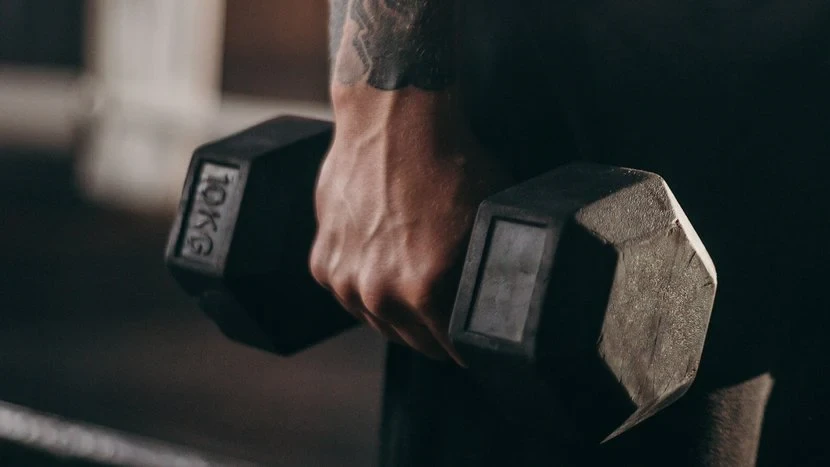
Whether you are a novice lifter or a seasoned gym veteran, you have likely encountered challenges with an exercise at some point due to grip failure. It is a humbling experience—whether you’re lifting a barbell that threatens to slip from your grasp or clinging to a dumbbell with every ounce of effort to complete your final reps.
While such experiences can be discouraging, this point cannot be overstated: do not avoid exercises or loads merely because they test your grip strength. Enduring this discomfort will yield significant long-term benefits. Numerous studies have demonstrated that older adults with grip strength above population norms experience a reduced risk of adverse health outcomes and improved cognitive function. In fact, superior grip strength in older populations has been linked to a decreased risk of falls and hospitalizations, higher bone mineral density, and slower cognitive decline—even years after their last formal grip-strength training session [1].
With that in mind, here are several evidence-based strategies to challenge your grip strength in the gym—yielding benefits both now and in the future:
1. Incorporate Heavy Suitcase Holds or Carries
This exercise enables you to hold exceptionally heavy loads without unduly straining your upper body strength. Specifically, you can maintain a static hold with far more weight than you could move dynamically in exercises like rows. The focus remains on grip stability rather than full-body movement, making it a targeted way to build grip endurance.
2. Prioritize the Double-Overhand Grip for Heavy Deadlifts and RDLs
Heavy deadlifts and Romanian deadlifts (RDLs) often tax grip strength quickly, prompting many to switch to an alternating (over-under) grip. Instead of transitioning to the over-under grip at the start of your working sets, use the double-overhand grip for as long as possible to challenge your bar-holding capacity. Only switch grips once you can no longer complete a full set with the double-overhand variation—this forces your grip to adapt rather than relying on mechanical advantages.
3. Use Fat Grips, Towels, or Thick Bars Periodically
Excessive grip work can irritate the elbows, particularly for individuals with demanding upper-body job tasks or athletes who perform overhead movements in their sport. Modifying dumbbells or barbells with fat grips, using towels, or employing thick bars are excellent methods to alter the grip mechanics required to hold the load. These tools increase the surface area you must grasp, forcing your hands and forearms to work harder—without overtaxing the elbows.
Whether your goal is immediate strength gains or long-term resilience in later life, both direct and indirect grip-strength work is an effective way to leverage movements you already incorporate into your routine. So, confront those heavy dumbbells head-on and give it your best effort—your brain and body will thank you in the years to come.
Citation
- Bohannon, Richard W. “Grip Strength: An Indispensable Biomarker For Older Adults.” Clinical Interventions in Aging, vol. 14, 2019, pp. 1681–1691, doi:10.2147/CIA.S194543.
Pre-New Year Fitness: 3 Strategic Reasons to Start Your Gym Routine Early
•
Author: Armand
•
Training
Fitness
Share this article