
Squats: A Comprehensive Guide to Foundational Variations and Their Training Value
By Jake Stewart | January 09, 2023 | 2 Min Read
Squats—one of the three foundational lifts in powerlifting and widely regarded as the preeminent compound exercise—are a full-body movement that merits a central role in any strength-training program. While the traditional back squat is the most commonly recognized variation, it is far from the only effective iteration. Below, we break down key squat variations and their rationale for inclusion in a well-rounded training split.
The "King" of Squats: The Back Squat
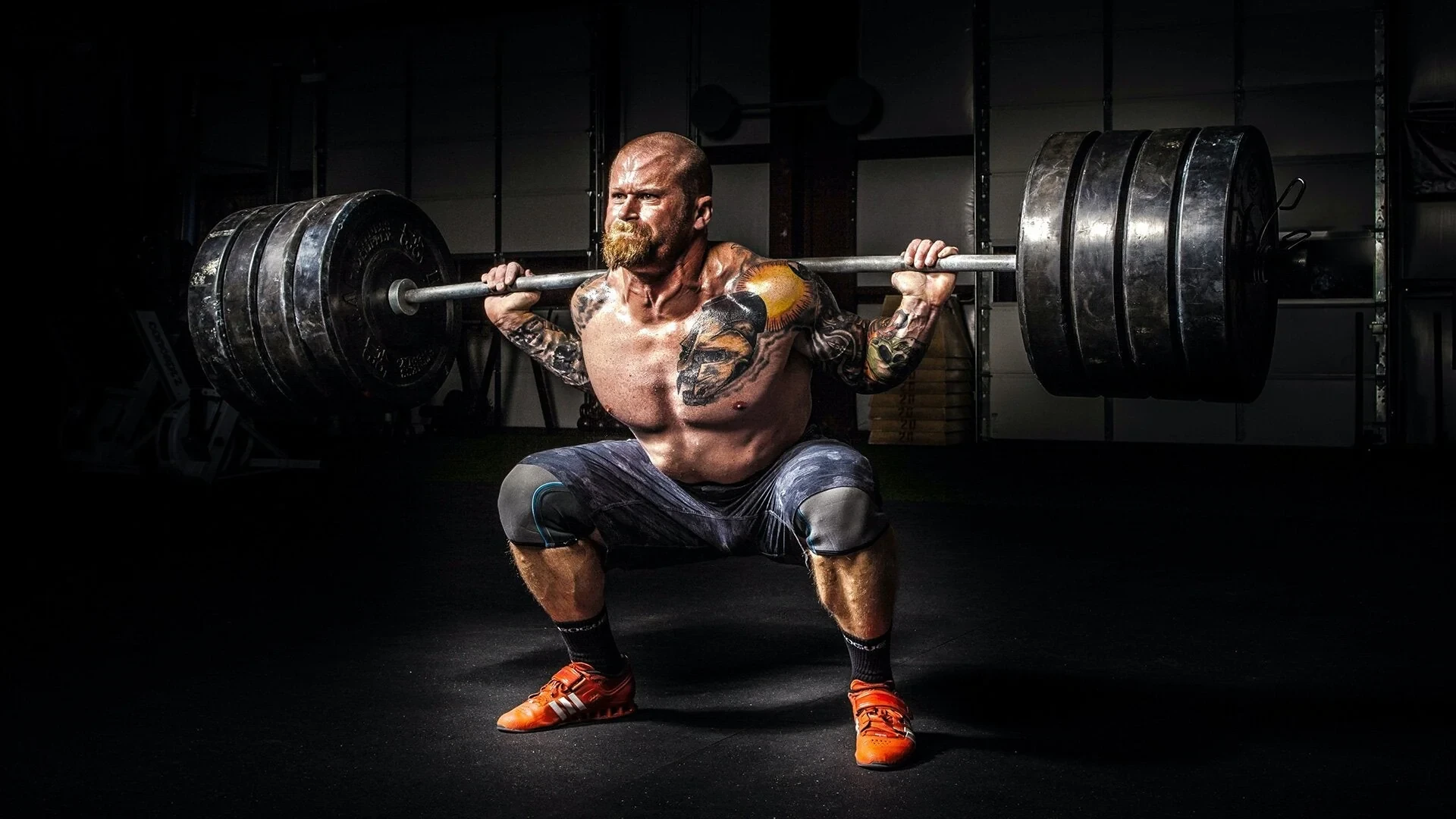
We begin with the back squat—often hailed as the "king" of lower-body lifts. This variation facilitates significant strength development, with primary engagement of the quadriceps, glutes, hamstrings, and core. Two sub-variations dominate: high-bar and low-bar back squats.
High-bar squats: The barbell rests atop the trapezius muscles, making this the more beginner-friendly and comfortable option for most individuals. Its natural biomechanics align with athletic movements, making it a staple for sport-specific training.
Low-bar squats: A more advanced variation where the barbell is positioned lower on the back, resting on the posterior deltoids. Preferred in powerlifting for its ability to accommodate heavier loads, this variation shifts emphasis to the posterior chain—eliciting greater activation of the hamstrings and glutes.
Whether you choose high-bar or low-bar, back squats are non-negotiable for fostering overall muscle growth and strength.
Anterior Chain Focus: The Front Squat
The front squat mirrors the back squat in form but differs in load placement: the barbell rests across the upper chest (rather than the traps). This shift in weight distribution results in significantly greater anterior chain activation, with focused engagement of the quadriceps and abdominal muscles.
While more technically demanding—requiring enhanced hip and wrist mobility to stabilize the bar—front squats are unmatched for targeting the quads. For lifters seeking to prioritize quad development, this variation is unparalleled.
Accessible and Low-Risk: The Goblet Squat
Ditching the barbell, the goblet squat involves holding a dumbbell to the chest (in a "goblet" position) and mimics the front squat’s mechanics. Its primary advantage lies in its simplicity and ease of acquisition—making it ideal for beginners or those with limited mobility to perform back/front squats.
Goblet squats also mitigate injury risk and are perfect for home gym enthusiasts, as they require only a single dumbbell. They serve as an excellent tool for mastering squat fundamentals (e.g., hip hinge, knee tracking) while still delivering muscle-building and strength benefits.
Unilateral Challenge: The Bulgarian Split Squat
Few exercises inspire dread like the Bulgarian split squat—but its inclusion in a program offers distinct benefits. These "leg destroyers" comprehensively target all leg compartments (quads, glutes, hamstrings) and, as a unilateral movement, address strength imbalances while enhancing stabilizer muscle development (e.g., adductors, hip flexors).
Beyond aesthetic gains (e.g., defined legs), Bulgarian split squats improve performance in other squat variations by refining balance and proprioception.
Why Squats Are Non-Negotiable
Squatting is a comprehensive movement that delivers multifaceted benefits: it builds leg strength, enhances muscle hypertrophy, improves balance, and boosts mobility. From beginners to advanced lifters, everyone can derive value from selecting a squat variation aligned with their goals (e.g., strength, mobility, convenience).
Incorporate the right squat into your routine—and unlock the full potential of this foundational lift.
Beginner's Guide: The Best Fundamental Exercises for New Gym Goers
•
Author: Armand
•
Training
Fitness
Share this article